Understanding Maritime Liability: Who Is Responsible at Sea?
Introduction to Maritime Liability
Maritime liability is a complex area of law that deals with the responsibilities and obligations of parties involved in maritime activities. Whether you're a shipowner, cargo owner, or passenger, understanding who is responsible for what at sea is crucial. This post will explore the key aspects of maritime liability, shedding light on the roles and responsibilities of different stakeholders.
Key Players in Maritime Liability
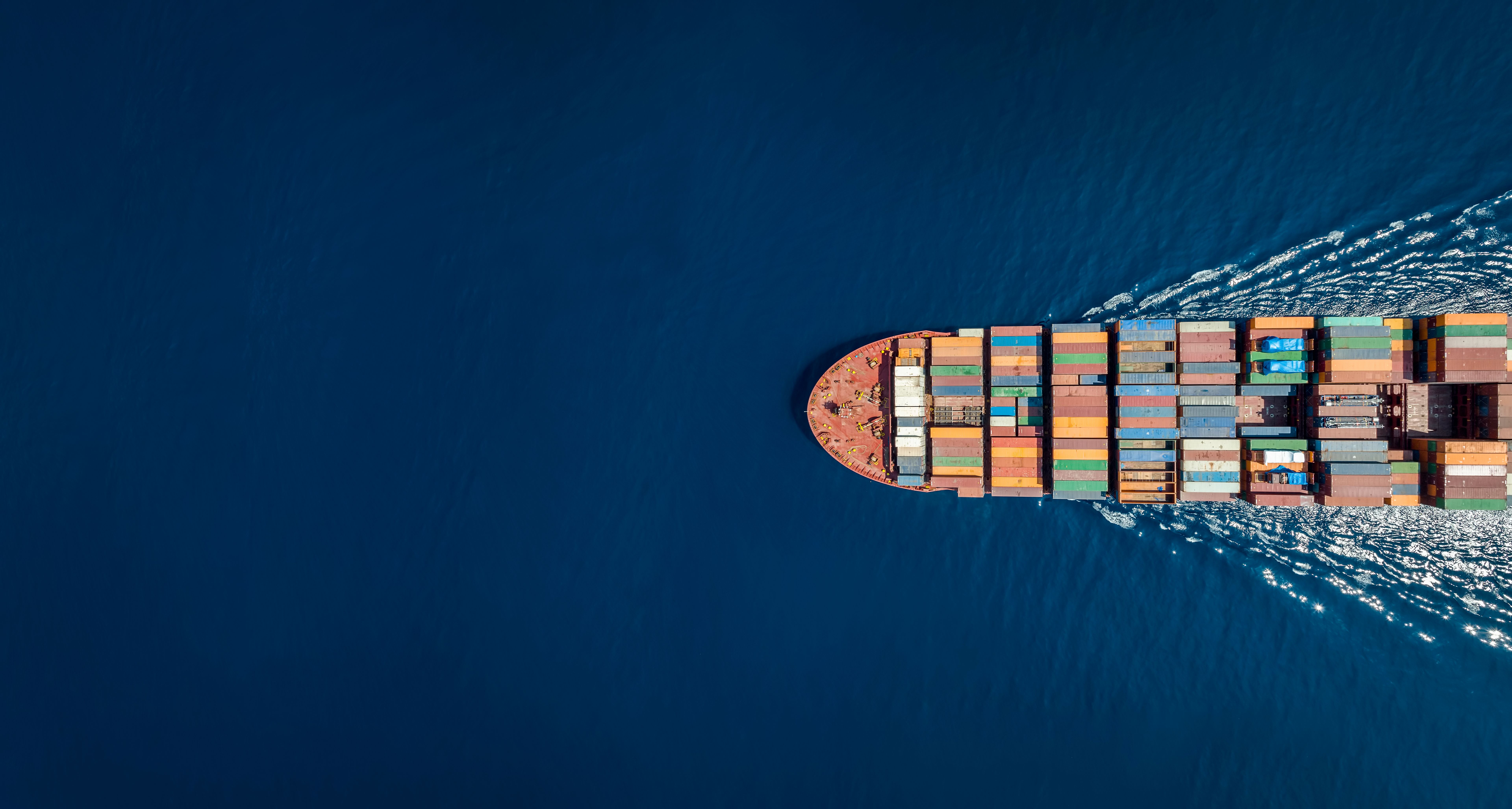
Several parties can be involved in a maritime incident, each with potential liabilities. The primary stakeholders include:
- Shipowners: Responsible for the maintenance and operation of the vessel.
- Charterers: Companies or individuals who hire a vessel for transporting goods.
- Crew Members: Individuals responsible for navigating and operating the ship.
- Cargo Owners: People or businesses that own the goods being transported.
Shipowners' Responsibilities
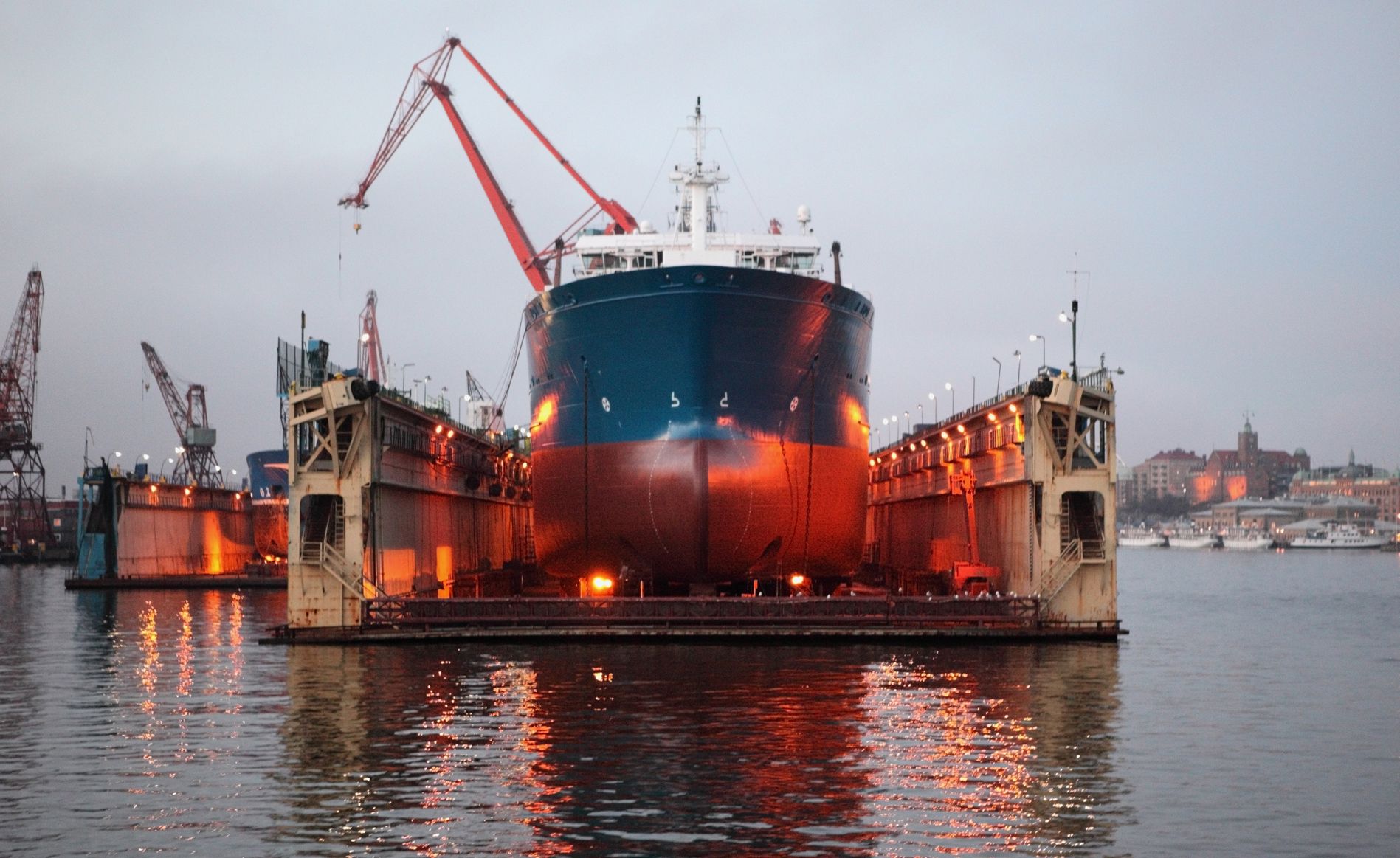
Shipowners bear significant responsibility for ensuring their vessels are seaworthy and properly maintained. This includes adhering to international safety standards and regulations. In the event of an accident, shipowners may be liable for damages if negligence or failure to comply with safety norms is proven.
Charterers and Cargo Owners
Charterers can also be held liable in certain situations, particularly if they have control over the vessel's operations during the charter period. Cargo owners must ensure that their goods are packed and labeled correctly to prevent accidents or damages. Liability may fall on them if improper handling of cargo leads to an incident.
Understanding Maritime Accidents
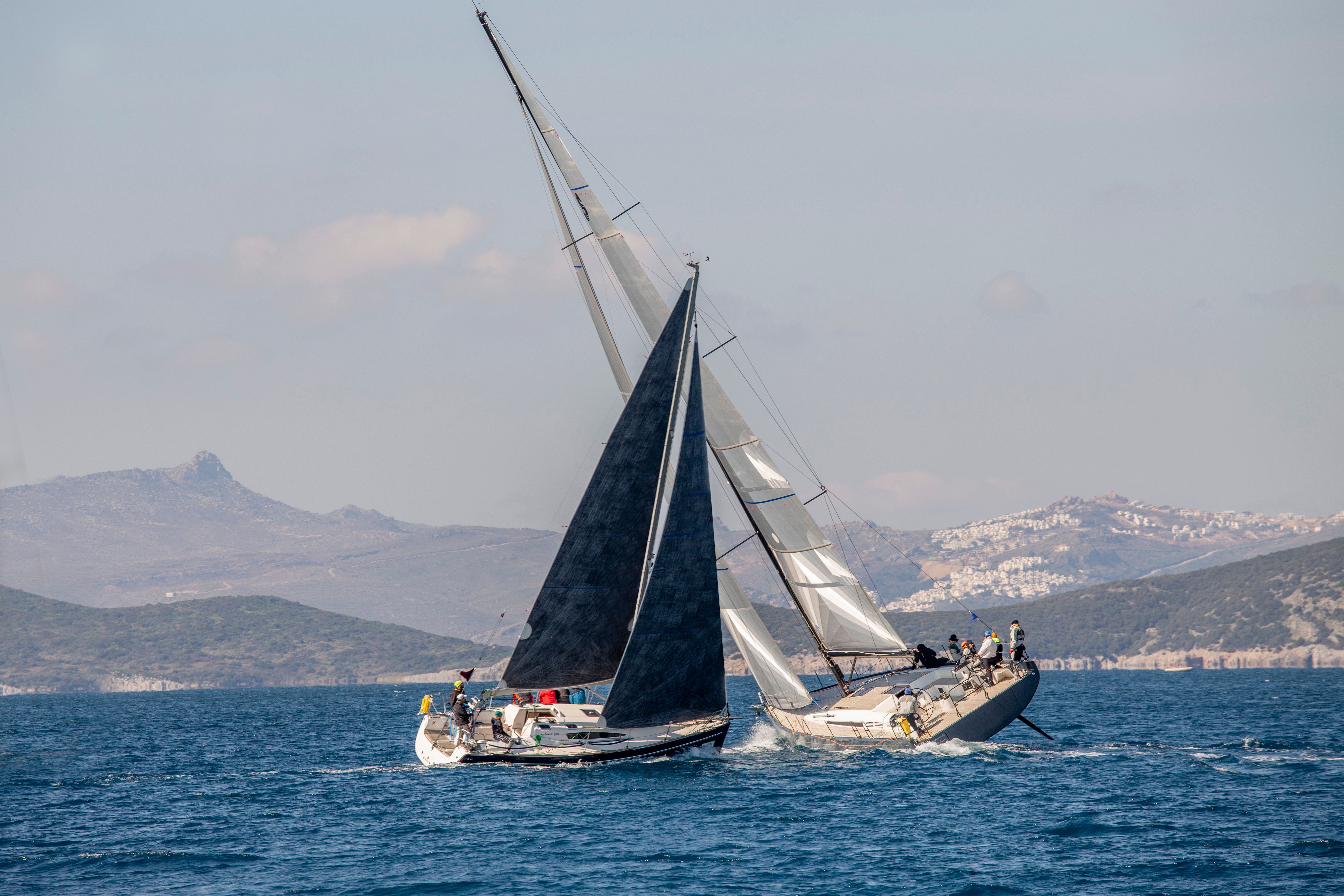
Accidents at sea can arise from various factors, including human error, technical failures, and adverse weather conditions. Understanding the cause is crucial in determining liability. Common types of maritime accidents include collisions, groundings, and cargo losses.
The Role of Insurance
Insurance plays a vital role in maritime liability by providing coverage for potential losses and damages. Shipowners and charterers typically carry insurance policies, such as Protection and Indemnity (P&I) insurance, to cover third-party liabilities. This ensures that victims of maritime accidents are compensated appropriately.
International Regulations
Maritime liability is governed by a range of international conventions and regulations. The International Maritime Organization (IMO) sets standards for safety, security, and environmental performance of international shipping. Compliance with these regulations is essential for minimizing liability risks.
Understanding maritime liability involves recognizing the responsibilities of different parties and the role of international regulations. By being informed, stakeholders can navigate the complexities of maritime law more effectively, ensuring safety and accountability at sea.